
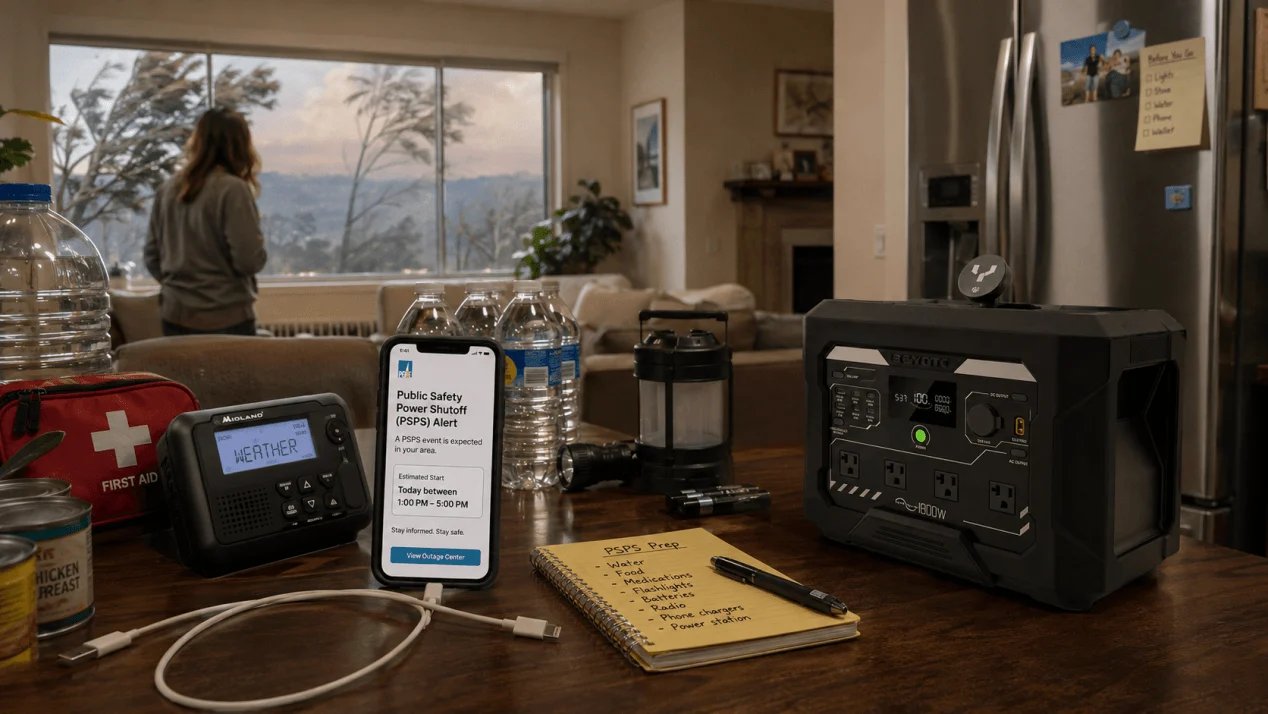
Wildfire seasons can bring more than flames, smoke, and evacuation concerns. In many areas, utility companies may temporarily shut off electricity during periods of extreme wildfire danger to reduce the risk of power lines becoming ignition sources. These preventive outages can last for hours or even several days, making it important for households and businesses to prepare for extended interruptions. A practical wildfire power shutoff preparedness guide can help you build an emergency energy plan that keeps essential devices operating, food protected, communications available, and your household safer when the grid goes down.
Understanding Wildfire-Related Power Shutoffs
A wildfire-related power shutoff is a preventive measure used by some utilities when weather and environmental conditions create an elevated fire risk. Strong winds, dry vegetation, low humidity, and high temperatures can increase the possibility that electrical infrastructure could contribute to a wildfire.
Although a shutoff can help reduce potential ignition risks, losing electricity creates its own challenges. Refrigerators and freezers may stop working, internet connections can become unavailable, medical equipment may require backup power, and electronic devices can run out of charge.
Preparing before an outage allows you to respond calmly instead of searching for emergency supplies after electricity has already been disconnected.
Assess Your Household’s Essential Energy Needs
The first step in creating an emergency energy plan is determining which devices absolutely need electricity. Walk through your home and make a list of essential equipment.
Important items may include phones, laptops, Wi-Fi equipment, refrigerators, freezers, medical devices, CPAP equipment, security systems, lighting, fans, radios, and electric cooking appliances. Consider how long each device needs to operate and how much energy it consumes.
Separate your equipment into three categories: essential, useful, and nonessential. Essential devices should receive priority from your backup power system. This simple assessment prevents you from wasting limited battery capacity on appliances that are convenient but unnecessary during an emergency.
Choose the Right Backup Power Solution
A reliable emergency energy plan usually includes some form of backup power. Portable power stations, battery backup systems, generators, and solar-powered equipment can all serve different purposes.
Portable power stations are useful for charging phones, operating lights, powering small appliances, and supporting other electronics. Models with larger battery capacities can provide electricity for longer periods, while solar charging can help replenish the battery when sunlight is available.
Generators can provide substantial power for larger appliances, but they require appropriate fuel and must always be operated outdoors in a well-ventilated area. Carbon monoxide can build up quickly in enclosed spaces, so generators should never be operated inside a house, garage, basement, or other enclosed location.
When selecting backup equipment, compare continuous wattage, starting wattage, battery capacity, charging options, fuel requirements, runtime, noise, and portability.
Create a Power Priority List
During a prolonged outage, you may not have enough backup energy to run everything normally. A power priority list helps you use available electricity efficiently.
Communication devices should usually receive high priority. Keep mobile phones, emergency radios, and other communication equipment charged. If someone in the household depends on electrically powered medical equipment, that equipment should also be placed at the top of the list.
Food storage may require careful planning as well. Keep refrigerator and freezer doors closed as much as possible during an outage. If electricity is unavailable for an extended period, use food safety guidance to determine which items remain safe to consume.
Lighting is another important consideration. Battery-powered lanterns and LED flashlights can provide illumination without consuming excessive energy.
Prepare Multiple Charging Methods
One backup charging method may not be enough during a wildfire-related outage. Consider having several options available.
A portable power station can serve as a central battery for essential electronics. Solar panels can provide another charging method when weather conditions permit. Vehicle charging can also provide an additional source of energy for compatible devices.
Keep charging cables and adapters organized in a clearly labeled emergency container. Make sure you have the correct connectors for phones, radios, laptops, and other essential equipment.
Before wildfire season begins, test every charging method. A backup system is only useful if you know how to operate it when an emergency occurs.
Keep Emergency Supplies Ready
Energy preparedness should be part of a broader emergency plan. Store flashlights, batteries, portable radios, first-aid supplies, bottled water, shelf-stable food, blankets, and basic tools where everyone in the household can access them.
Keep important documents and emergency contact information available even if internet or cellular services become unreliable. A printed list of emergency numbers, utility contacts, insurance information, and evacuation routes can be valuable.
If you have pets, include their needs in your emergency planning. Food, water, medications, carriers, and identification information should be prepared ahead of time.
Protect Your Backup Equipment
Proper storage and maintenance can significantly improve the reliability of emergency power equipment. Store batteries and portable power stations according to the manufacturer’s recommendations. Avoid extreme heat and moisture, particularly in areas such as garages or outdoor sheds where temperatures can fluctuate significantly.
Inspect cables for damage and check fuel supplies for generators when appropriate. Recharge battery systems periodically so they are ready before wildfire conditions develop.
It is also helpful to conduct a household power-outage drill. Disconnect selected devices and practice operating your backup system. This can reveal missing cables, inadequate battery capacity, or unfamiliar controls before a real emergency.
Monitor Alerts and Utility Information
Preparedness does not end when your emergency equipment is ready. During wildfire season, monitor official emergency notifications and utility communications.
Sign up for outage alerts if your utility provides them. Keep phones charged and enable emergency notifications where available. A battery-powered or hand-crank radio can provide another way to receive information if internet access becomes unavailable.
If authorities issue an evacuation order, prioritize personal safety over protecting property or equipment. Backup power should support your emergency plan, not encourage you to remain in a dangerous area.
Make a Plan for Extended Outages
Some power shutoffs may last longer than expected. Consider what your household will do if electricity remains unavailable for 24, 48, or 72 hours.
Calculate how much battery capacity or fuel you would need for essential devices. Plan how you will obtain additional supplies if necessary. Identify family members who may need additional assistance and establish communication procedures in case people become separated.
Businesses should create similar plans. Servers, security systems, refrigeration equipment, payment systems, and communication tools may require backup electricity. Establishing priorities in advance can reduce operational disruption.
Review and Update Your Emergency Energy Plan
An emergency energy plan should be reviewed regularly. Household needs change as people move in or out, new appliances are purchased, and medical or work requirements evolve.
At least once before each wildfire season, test backup equipment, inspect emergency supplies, review evacuation information, and calculate expected power consumption again. Replace expired batteries and damaged cables, and ensure everyone knows where emergency equipment is stored.
Building Greater Resilience Before Wildfire Season
A well-designed wildfire power shutoff preparedness guide is ultimately about resilience. The goal is not to maintain normal household electricity during every outage but to preserve the essential services that help people stay informed, safe, comfortable, and prepared.
By identifying critical energy needs, selecting appropriate backup power, maintaining multiple charging options, protecting emergency equipment, and monitoring official alerts, households can respond more effectively to preventive power shutoffs. Preparing before dangerous wildfire conditions arrive gives you greater control during an unpredictable situation and creates a dependable foundation for handling extended electricity interruptions.