
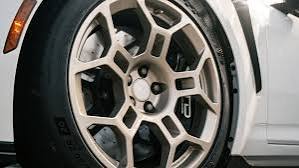
Custom forged wheels have become a popular choice among automotive enthusiasts who want to improve their vehicle’s appearance, handling, and overall driving experience. Unlike standard wheels, forged wheels offer extensive customization options, impressive strength, and a premium finish. Whether you drive a sports car, luxury sedan, performance vehicle, or modified SUV, selecting the right forged wheels can make a significant difference in both style and functionality.
However, choosing the best custom forged wheels involves more than finding an attractive design. You must consider wheel construction, size, weight, fitment, material quality, and your driving requirements. Understanding these factors can help you make an informed decision and select wheels that complement your vehicle.
Understanding Custom Forged Wheels
Custom forged wheels are manufactured using a process that applies substantial pressure to a solid piece of metal, typically aluminum alloy. This process creates a strong wheel structure that can be precisely shaped and finished according to specific design requirements.
Unlike cast wheels, which are produced by pouring molten metal into a mold, forged wheels are formed from solid material. The manufacturing process helps create a dense structure with favorable mechanical properties, making forged wheels particularly attractive for performance-oriented applications.
Another important advantage is customization. Buyers can often choose spoke patterns, finishes, widths, diameters, and other design features. These options allow vehicle owners to create a distinctive appearance while maintaining appropriate technical specifications.
Benefits of Choosing Custom Forged Wheels
Improved Strength and Durability
Strength is one of the main reasons drivers choose forged wheels. The manufacturing process can produce wheels with excellent structural integrity, helping them withstand the demands of everyday driving and performance applications when properly engineered.
However, no wheel is indestructible. Road conditions, impacts, manufacturing quality, and correct installation all influence durability. Selecting wheels from a reputable manufacturer is essential for dependable performance.
Potential Weight Reduction
Many custom forged wheels can be designed to weigh less than comparable conventional wheels while meeting the necessary load requirements. Reduced wheel weight can lower unsprung mass, which may help suspension components respond more effectively to changes in road surfaces.
Depending on the vehicle and wheel specifications, lower rotating mass may also support improved acceleration and braking response. The actual benefit depends on the complete wheel-and-tire package rather than the manufacturing method alone.
Personalized Vehicle Styling
Custom forged wheels provide numerous opportunities to personalize a vehicle. Drivers can select intricate spoke designs, clean minimalist patterns, polished surfaces, matte finishes, or bold colors.
The right combination can complement a vehicle’s paintwork, body modifications, and overall design. For owners who want their vehicles to stand out, forged wheels offer a flexible way to create a distinctive appearance.
Performance-Focused Engineering
Custom manufacturing allows wheel specifications to be tailored to particular vehicles and driving needs. Properly designed wheels can accommodate brake-clearance requirements, suitable tire widths, and appropriate load ratings.
This flexibility makes forged wheels appealing to drivers who value both appearance and functional performance.
Choose the Correct Wheel Size
Wheel size is among the most important factors when selecting custom forged wheels. Diameter and width influence tire selection, vehicle clearance, ride comfort, and handling characteristics.
Wheel Diameter
Wheel diameter must be compatible with your vehicle’s suspension, brakes, and intended tire dimensions. Larger wheels can create a more aggressive appearance, but they may require lower-profile tires, potentially reducing ride comfort on uneven roads.
Before choosing a larger diameter, check the vehicle manufacturer’s recommended fitment and confirm that the complete wheel-and-tire combination maintains suitable overall dimensions.
Wheel Width
Wheel width determines which tire sizes can be safely and appropriately installed. A wider wheel may support a wider tire when the vehicle’s design allows it, but excessive width can create clearance problems.
Consider your vehicle’s suspension geometry, fender space, and intended driving conditions before selecting a width.
Offset and Backspacing
Wheel offset describes the position of the mounting surface relative to the wheel’s centerline. It influences how far the wheel sits inward or outward within the wheel arch.
An unsuitable offset can cause interference with suspension components, brakes, or fenders. It can also affect steering behavior and bearing loads. Backspacing is another measurement that helps determine the wheel’s position relative to surrounding components.
For this reason, always verify fitment with accurate measurements rather than relying solely on appearance.
Understand Bolt Patterns and Center Bore
A wheel must attach securely to the vehicle’s hub. Two essential measurements are the bolt pattern and center bore.
The bolt pattern specifies the number of mounting holes and the diameter of the circle on which they are positioned. The center bore refers to the opening that fits over the vehicle’s hub.
Both measurements must match the vehicle’s requirements or use an approved fitment solution. Incorrect specifications can prevent proper mounting or create safety concerns.
Also check the wheel’s load rating, mounting hardware requirements, and compatibility with the braking system before purchasing.
Select the Right Forged Wheel Design
Single-Piece Forged Wheels
Single-piece forged wheels are manufactured as one integrated component. They are often chosen for their straightforward construction, clean appearance, and performance-focused design.
They can be suitable for daily drivers and performance vehicles, depending on the available specifications.
Multi-Piece Forged Wheels
Multi-piece forged wheels typically use separate components assembled together. This construction can provide greater flexibility in selecting widths, offsets, and design combinations.
They are popular among enthusiasts pursuing highly personalized fitment. Nevertheless, construction quality, assembly procedures, and manufacturer guidance remain important considerations.
Choosing a Spoke Pattern
Spoke design influences the overall character of a vehicle. Thin, numerous spokes can create a detailed appearance, while thicker spokes often deliver a bold, muscular look.
Design should not be the only consideration. Spoke shape and spacing must also provide adequate brake clearance and meet the manufacturer’s structural requirements.
Consider Materials and Finishes
Aluminum alloys are widely used for forged performance wheels because they offer a useful balance of strength, weight, and workability.
When comparing products, examine the manufacturer’s material specifications and engineering documentation. Avoid assuming that every forged wheel offers identical performance simply because the products share the same manufacturing category.
Finishes also deserve attention. Common choices include gloss black, satin black, silver, brushed metal, polished surfaces, and custom colors.
A suitable finish should complement your vehicle while offering practical maintenance requirements. Road debris, harsh cleaning chemicals, brake dust, and environmental exposure can affect the appearance of wheel surfaces over time.
Match Wheels to Your Driving Style
Your everyday driving habits should influence your purchase.
Daily Driving
For regular commuting, prioritize durability, correct fitment, manageable maintenance, and compatibility with suitable tires. Consider local road conditions, especially if you frequently encounter potholes or uneven surfaces.
A moderate wheel diameter with an appropriate tire sidewall may offer a practical balance between comfort and appearance.
Performance Driving
Drivers who participate in track events or spirited driving should focus on load ratings, brake clearance, heat resistance, tire compatibility, and verified performance specifications.
Professional advice can help ensure that the selected wheel-and-tire package suits the vehicle’s intended use.
Show Cars and Custom Builds
For show vehicles, visual impact and design coordination may be major priorities. Custom finishes, distinctive spoke patterns, and carefully planned fitment can help create a cohesive appearance.
Even when styling is the main objective, safe installation and appropriate engineering specifications must remain essential.
Evaluate the Manufacturer and Quality Standards
Not all custom forged wheels are produced to the same standards. Research the manufacturer before making a purchase.
Look for clear material specifications, documented load ratings, manufacturing information, quality-control procedures, and applicable testing or certification documentation. Depending on the market, recognized standards may include JWL or VIA requirements, along with other relevant regional regulations.
Read customer feedback carefully, but do not rely entirely on photographs or online ratings. Ask whether the manufacturer can confirm compatibility with your exact vehicle, brake package, and suspension setup.
A reputable supplier should be able to explain the product’s specifications and provide clear guidance about installation, maintenance, and warranty coverage.
Balance Quality With Your Budget
Custom forged wheels generally cost more than many conventional alternatives because of their materials, manufacturing processes, and customization options.
When comparing prices, consider the complete package rather than the wheel price alone. Additional expenses may include tires, mounting hardware, shipping, installation, balancing, and any necessary fitment checks.
Avoid choosing a wheel simply because it is the least expensive option. A properly engineered product from a trustworthy supplier can offer greater confidence than a poorly documented alternative.
You should also clarify warranty conditions, replacement availability, and repair policies before completing your purchase.
Installation and Maintenance Tips
Correct installation is essential for wheel safety and performance. Have a qualified technician verify fitment, use the specified mounting hardware, and tighten fasteners to the vehicle or wheel manufacturer’s recommended torque.
The wheel-and-tire assembly should be balanced properly, and clearance should be checked through the relevant steering and suspension movements.
For maintenance, clean the wheels with products approved for their finish. Avoid abrasive materials that can damage protective coatings, and inspect the wheels periodically for visible damage.
After a significant road impact, seek a professional inspection if you notice vibration, air loss, or other changes in vehicle behavior. Follow the manufacturer’s guidance for checking fastener torque and maintaining the wheel assembly.
Common Mistakes to Avoid
One common mistake is selecting wheels based entirely on appearance. An attractive design cannot compensate for incorrect dimensions or insufficient load capacity.
Another is assuming that larger wheels always improve performance. Oversized wheels may increase weight, reduce tire sidewall height, and compromise ride comfort if the complete setup is not carefully selected.
Ignoring brake clearance, choosing an unsuitable offset, and overlooking tire compatibility can also create costly problems. Finally, purchasing from an unverified seller may leave you without reliable specifications or meaningful warranty support.
Taking time to check these details can prevent unnecessary expenses and help protect your vehicle.
Conclusion
Choosing the best custom forged wheels requires a balance of style, engineering, compatibility, and budget. Their potential advantages include excellent strength, customization flexibility, and opportunities to reduce wheel weight when compared with suitable alternatives.
Start by identifying your vehicle’s exact fitment requirements and deciding how you use it. Then compare wheel dimensions, construction, load ratings, finishes, and manufacturer documentation. Professional fitment advice can help confirm that your chosen setup works with your brakes, suspension, and tires.
With careful research and the right specifications, custom forged wheels can become a valuable upgrade that enhances your vehicle’s appearance while supporting safe, reliable, and enjoyable driving.